Lesley's Corner
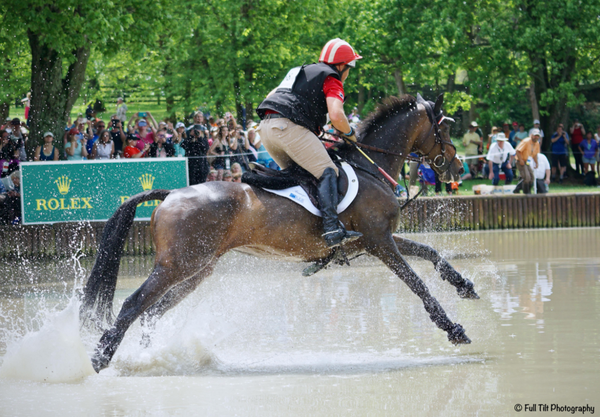
Interval Training For Conditioning the Event Horse
In the sport of Eventing, ensuring that our horses are truly fit for our level of competition is one of the best ways to prevent unnecessary injuries.

Lesley's Corner
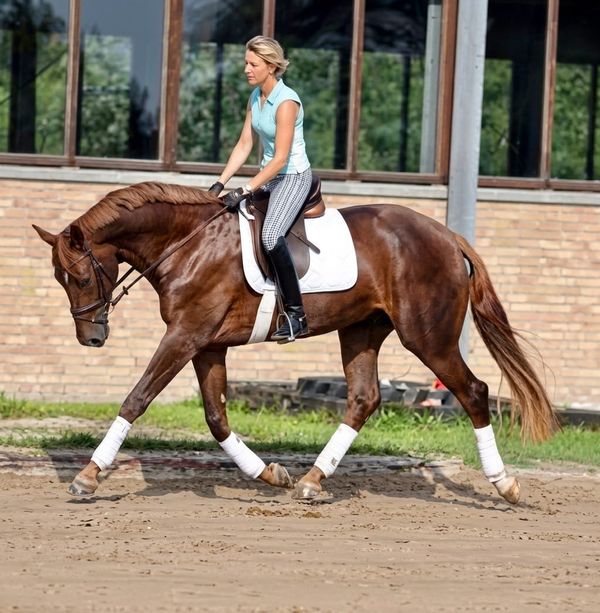
Learn about the ONE very basic exercise that the all of the riders had to do at the USET training sessions down in Ocala, that proved to be very challenging!
Lesley's Corner
Horses become incapable of learning when they go past a certain level of fear, anxiety, or stress. This means that if you keep hammering away at the horse, trying to teach them something when they are currently overwhelmed with stress, it will not work.
Lesley's Corner
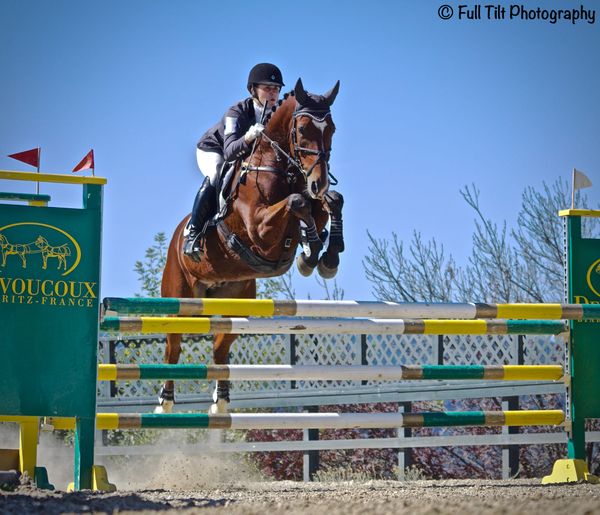
To get the very best out of every horse when show jumping, riders need to really think about the specific way that each individual horse needs and wants to be ridden between the fences. Let me help you to figure out what kind of horse you have!
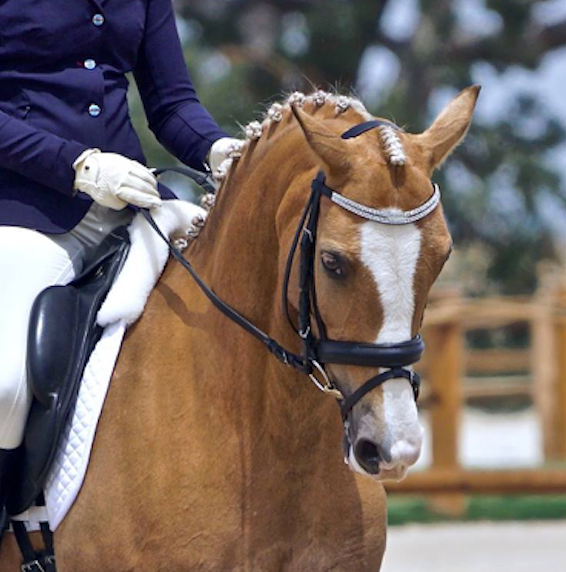
Did you know that there are 3 related but distinctly different ways of controlling your horse's shoulders?? Many riders are in the habit of using only one of these 3 methods. So they continue to struggle to accurately control their horse's shoulders in turns, circles, and lateral work.
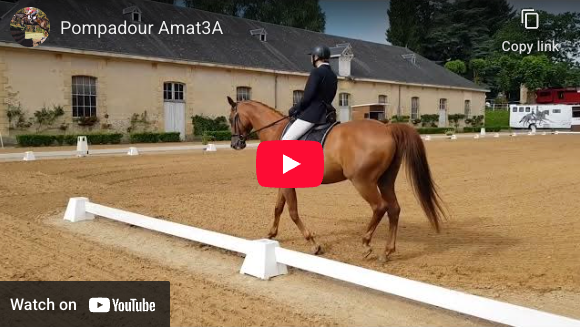
You look to be a very solid rider, with a strong seat and leg. At times you look to be quite tense in your shoulders. Which is likely caused by the fact that your head and neck tends to jut forward, well ahead of your spine. Look at this drawing:
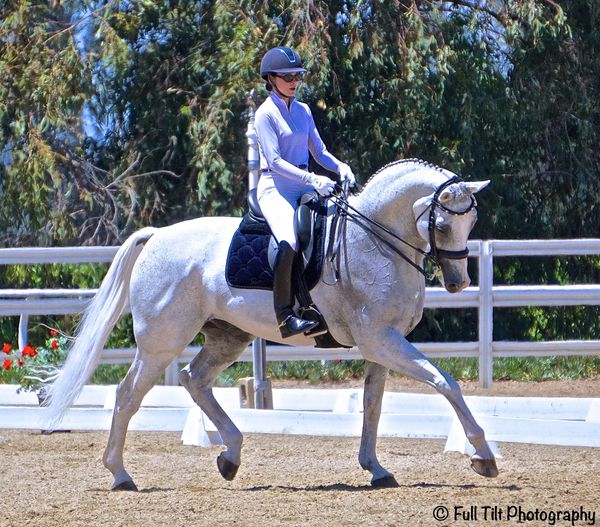
No matter what riding style or discipline you choose, you should be able to prove the solidity of your basic foundation by passing this simple test. And rather shockingly, there are many horses and riders at all levels would NOT pass this test!
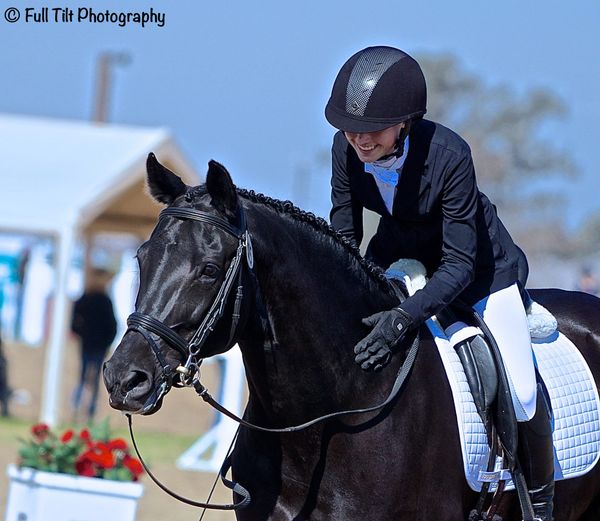
It is no secret that horses (like people) perform better if they enjoy their job. If you want your horse to enjoy his work, you must consciously make an effort to make it enjoyable. Here are 12 things to think about, to help ensure your horse is truly happy in his work!
Expert Coaching and Guidance for You and Your Horse!
Moving up to a jump by pushing the horse into a longer stride or frame will change the horse's balance at a time when he most needs it to stay the same. Instead, create a canter with sufficient impulsion early on in the approach, and ride forward within
Horses become incapable of learning when they go past a certain level of fear, anxiety, or stress. This means that if you keep hammering away at the horse, trying to teach them something when they are currently overwhelmed with stress, it will not work.
"Indeed, in most horses, it is only one part of the 'machine' that is working, i.e. the limbs – the neck, the back, the loins, the croup remain uninvolved, because they are braced and stiff. Is it a surprise under those circumstances, if the horse wears out
With horses, just like with people, let your actions speak for you. For example, you may think you are rewarding your horse when you say "Good boy" or "Good girl"… But if you don't also release the aid, your horse will not really feel
To get the very best out of every horse when show jumping, riders need to really think about the specific way that each individual horse needs and wants to be ridden between the fences. Let me help you to figure out what kind of horse you have!
Always sit the trot for a least a few strides before asking for a transition to canter or walk.
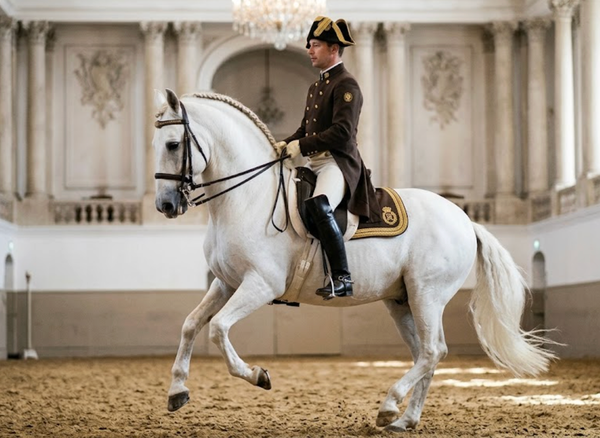
This great exercise, direct from the Spanish Riding School, will increase the collection in your horse's canter. It will also improve your counter canter work, and is a great way to build towards canter pirouettes. Get ready for better scores in your horse's canter work!
It is common for riders to accidentally teach their horses undesirable behavior by releasing the pressure of an aid at the wrong time. Be mindful of only rewarding behavior that you actually want.
"Incorrect training is as if you buttoned a sweater wrong. In order to fix it you must unbutton it and start over again." ~ Reiner Klimke You cannot just add another layer over the top and expect it to be right!
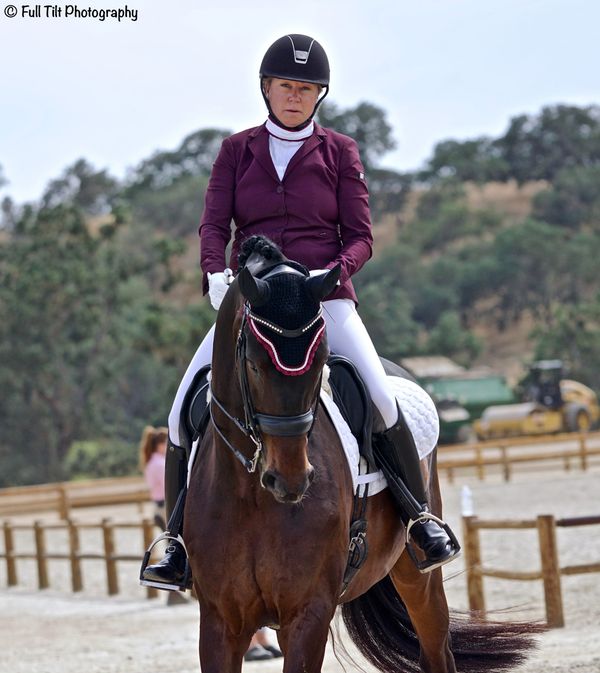
Every single Dressage test requires the rider to change the horse's bend from one side to the other. With some tests having as many as 20 different opportunities to show the judge how good you are at changing your horse's bend. Or maybe how not so good you are at it!
Horses speak through actions. Try to listen to what they are telling you.
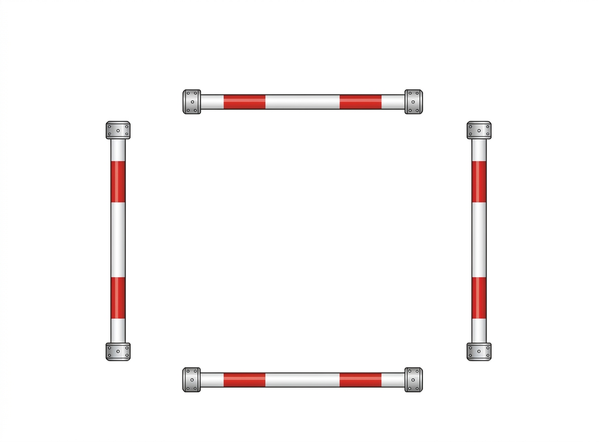
This clever exercise will ensure that your horse is listening precisely to the lightest of your turning aids. It will also teach you how to ride truly accurate figures, and by doing so will naturally improve the balance and carriage of your horse's gaits.